




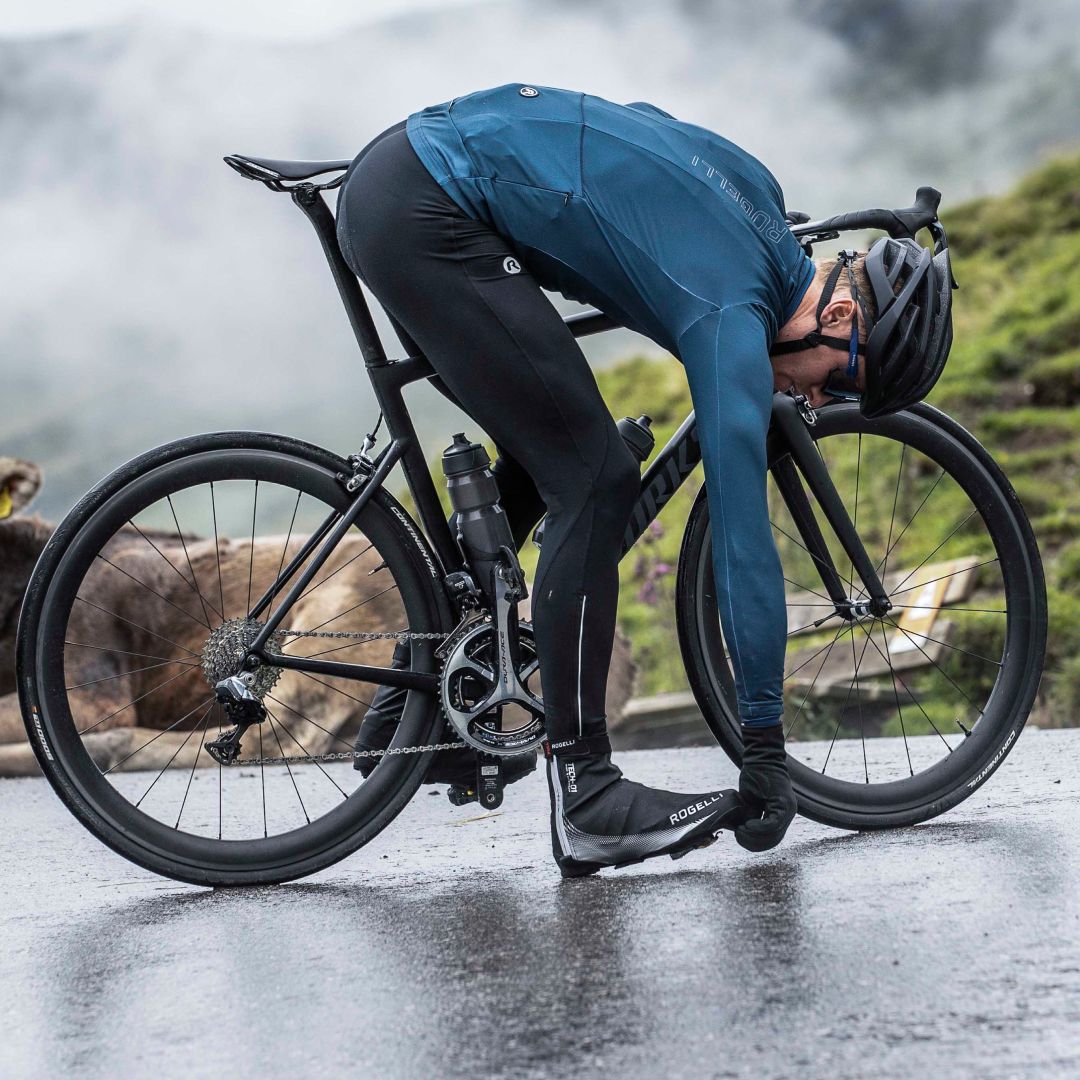
Cycling overshoes. Which type do you need and when?
Cycling overschoes. Which type do you need and when?
Cold feet are not just uncomfortable. They affect performance. Once your toes get cold, your pedal stroke changes. You tense your feet, your movement becomes less efficient and your focus shifts from performance to staying warm. A proper pair of cycling overshoes prevents this. But not every overschoe suits every condition.
Why cycling overshoes are essential in autumn and winter
Your feet constantly face wind exposure. Combine that with rain or road spray and cooling happens fast. Especially below 10 degrees Celsius, standard cycling shoes do not provide enough insulation. Dione Voskamp experiences this during long winter training sessions. "When my feet get cold, my whole body feels less stable. With the right overschoes, I do not have to think about it anymore." Cycling overshoes serve three main purposes:
1. Block wind
2. Keep water out
3. Retain warmth
The level of protection depends on the model you choose.
Which overshoes for which temperature?
1. Waterproof overschoes for rain and 8 to 15 degrees Celcius
Rainy conditions without extreme cold require water protection without overheating. Lightweight, water-repellent models such as the Fiandrex rain overshoe keep your feet dry during wet autumn rides while remaining breathable. Important to know. Water-repellent protects against showers and spray. For prolonged heavy rain, choose a fully waterproof option.
2. Winter overshoes for 0 to 8 degrees Celsius
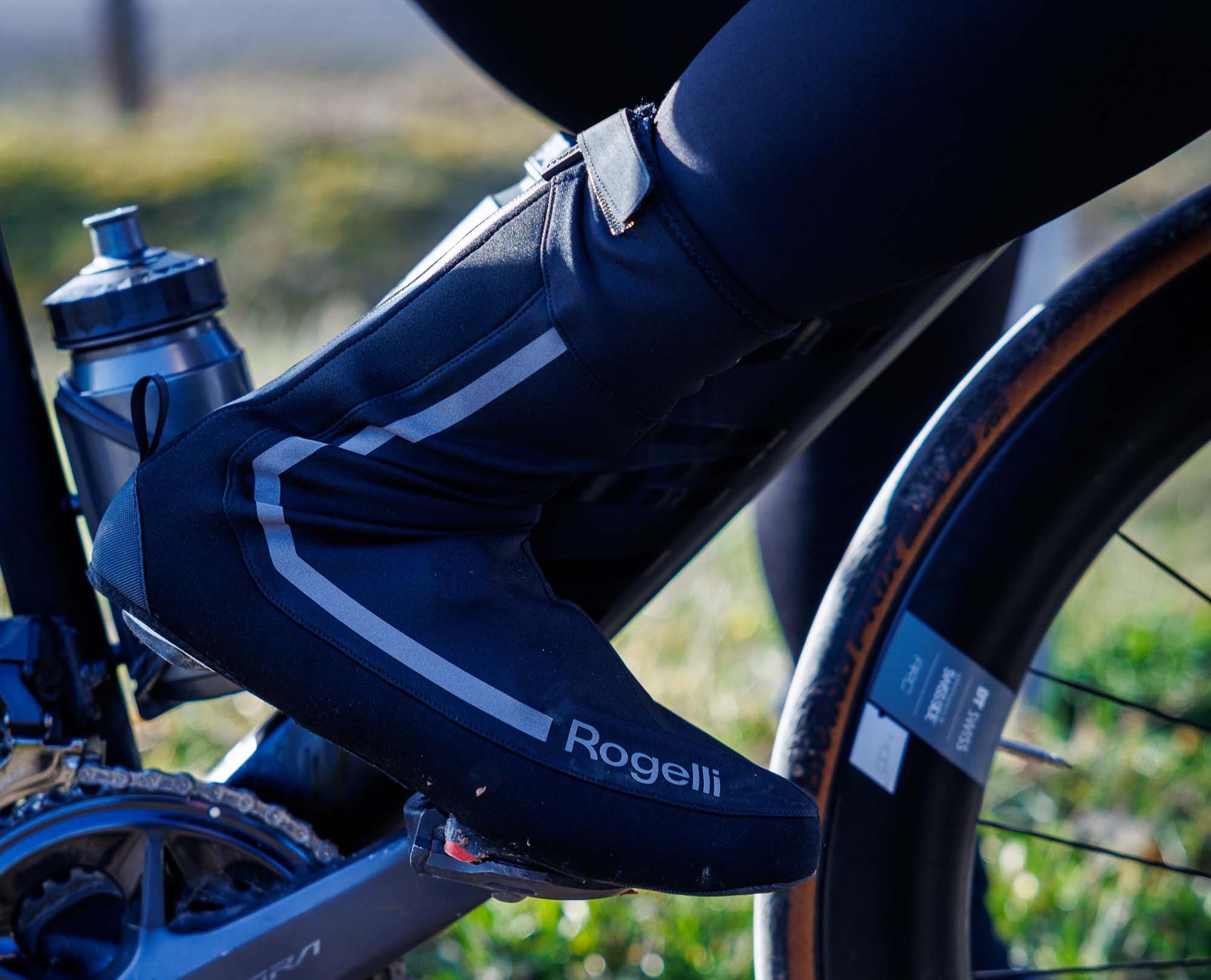
As temperatures approach freezing, insulation becomes crucial. The Hydrotec winter overshoe combines a windproof outer layer with a warm inner lining to preserve body heat and prevent numb toes.
3. Deep Winter overshoes for sub-zero temperatures
Training below freezing requires maximum insulation. Dione uses the Deep Winter overshoes during long endurance rides in cold conditions. "During winter training, I want comfort abave all. The Deep Winter overshoes keep my feet warm and dry, even below zero or in heavy rain." These overshoes are designed for prolonged exposure to cold, wind and wet conditions.
What to consider when buying cycling overshoes.
Fit: Too tight restricts circulation. Too loose allows water to enter through the ankle. Choose the correct size and pay attention to the closure system.
Closure and ease of use: Rear-zip models are easy to pull over your shoes. Aerodynamic models without a zipper must be put on before your cycling shoes.
Durability: Overshoes protect your cycling shoes from dirt, mud and road debris, extending their lifespan.
Stay consistent. Even in winter.
Cycling overshoes are not optional. They are a key part of your winter setup.
Read more
Running for beginners: how to make it a habit Runningis might be the most accessible sport out there. No complicated rules, no expensive gear, no pressure. Just lace up your shoes, step outside and...

The most versatile cycling essential. Why a body vest is indispensable Every cyclist knows the moment of doubt. It is 10 degrees Celsius, a steady wind is blowing and the sun breaks through occasio...