


Dries Takes on the Flandrien Challenge
Cobbled roads, steep climbs and hours of cycling through the Flemish countryside. For Dries, the Flandrien Challenge was a serious sporting challenge. A ride where strong legs are not enough. Determination, concentration and, above all, a love of cycling are just as important.
We spoke to Dries about his preparation, the toughest moments along the way and the feeling he had when he finally crossed the finish line.
A Challenge you don't take on lightly
The Flandrien Challenge takes cyclists along dozens of famous climbs and cobbled sections in Flanders. The official challenge consists of 59 iconic segments that must be completed within 72 hours. Anyone who succeeds can rightfully call themselves a Flandrien. For Dries, it was precisely the combination of distance, elevation and the famous Flemish roads that made him want to take it on. “I was looking for a challenge that would really require me to train. Something where you're not completely sure beforehand whether you'll be able to do it.” The Flemish Ardennes provided the perfect setting. The route is known for its short, steep climbs, rough cobbles and roads that barely give you a chance to settle into a steady rhythm.

Preparation starts well before the start
You don't simply ride a challenge like this. In the weeks and months leading up to it, Dries gradually increased his mileage. His preparation wasn't just about long endurance rides. Climbing and cycling several days in a row were also part of the training.
Still, it's difficult to fully recreate the conditions of the Flandrien Challenge. “You can be well trained when you line up at the start, but the cobbles really make a difference. You're constantly thinking about your position on the bike, your equipment and choosing the best line.” Alongside his physical preparation, Dries also paid close attention to his equipment and clothing. During long days on the bike, small irritations can quickly become major ones. Comfort, having enough food and water, and clothing suited to changing weather conditions are therefore especially important.

No real time to recover
One of the toughest parts of the challenge turned out to be the succession of climbs and cobbled sections. After a hard climb, there's often only a short descent or connecting road before the next challenge begins. Famous names such as the Koppenberg, Oude Kwaremont and Paterberg immediately spark the imagination of many cycling fans. On television, these climbs can sometimes look short, but on the bike, every metre feels different. “You know these roads from the spring classics. When you ride them yourself, you only then realise how steep and uneven they really are.” The cobbles were particularly demanding on the body. The constant vibrations weren't just felt in the hands and arms, but eventually throughout the entire body. At the same time, these sections were also what made the ride so special.
Keep going when it gets tough
During a challenge this long, there always comes a moment when the legs start to fade and your mind has to take over. Dries also had moments along the way when the finish still seemed far away, but he was confident he would complete the challenge within a day.
Rather than focusing on the entire distance that was still ahead of him, he broke the ride down into smaller sections. This allowed him to manage his energy. First, make it to the next feed stop. Then the next climb. Then a few more kilometres. “At some point, you can't look too far ahead anymore. You focus on the next point and just keep pedalling.” At moments like these, the support of his friends and family proved invaluable. A chat along the way, some food or a drink at the planned stops, or simply knowing that they fully supported him could be enough to find some new energy.

Enjoying the ride along the way
Although the Flandrien Challenge is best known as a tough ride, for Dries it wasn't all about suffering. There was also time to enjoy the surroundings, the atmosphere and cycling itself. The narrow roads, Flemish villages and views across the hills made the ride just as memorable as the famous climbs. “Of course you're focused on the challenge, but every now and then you should look around too. You're cycling through a beautiful area and passing places with so much cycling history.” That balance between effort and enjoyment defined the entire experience. One moment you're battling your way up a steep cobbled climb, the next you're rolling peacefully through the countryside and realising just how special the ride really is.
The feeling after the final kilometres
After all the kilometres, elevation and cobbles, the moment finally came when Dries knew he was going to complete the challenge. Fatigue gave way to relief and happiness. After 11 hours of riding, he crossed the finish line in Ypres at 21:10, beneath the Menin Gate. An impressive achievement he is proud of. Unfortunately, he arrived just too late for the Last Post, which began at 20:00 as a commemoration of the victims of the First World War. “Everything comes together at the finish. You think about the preparation, the difficult moments and all the kilometres along the way. Then it feels really special to know that you made it.” The tired legs were quickly forgotten. What remained was the memory of a unique cycling experience and the confidence that, along the way, you're often capable of more than you think beforehand.

A challenge you won't forget easily
Would Dries recommend the Flandrien Challenge to other cyclists? Absolutely. But with one important note: don't underestimate the ride and make sure you prepare properly. According to Dries, you don't have to be the fastest cyclist. A solid base fitness, comfortable equipment, smart nutrition and hydration, and the willingness to keep going are just as important. For Dries, the challenge ultimately became much more than a collection of climbs and cobbled sections. It was an adventure where effort, cycling history and the joy of riding came together. A ride where the distance wasn't just the challenge, but became part of the experience.
Read more
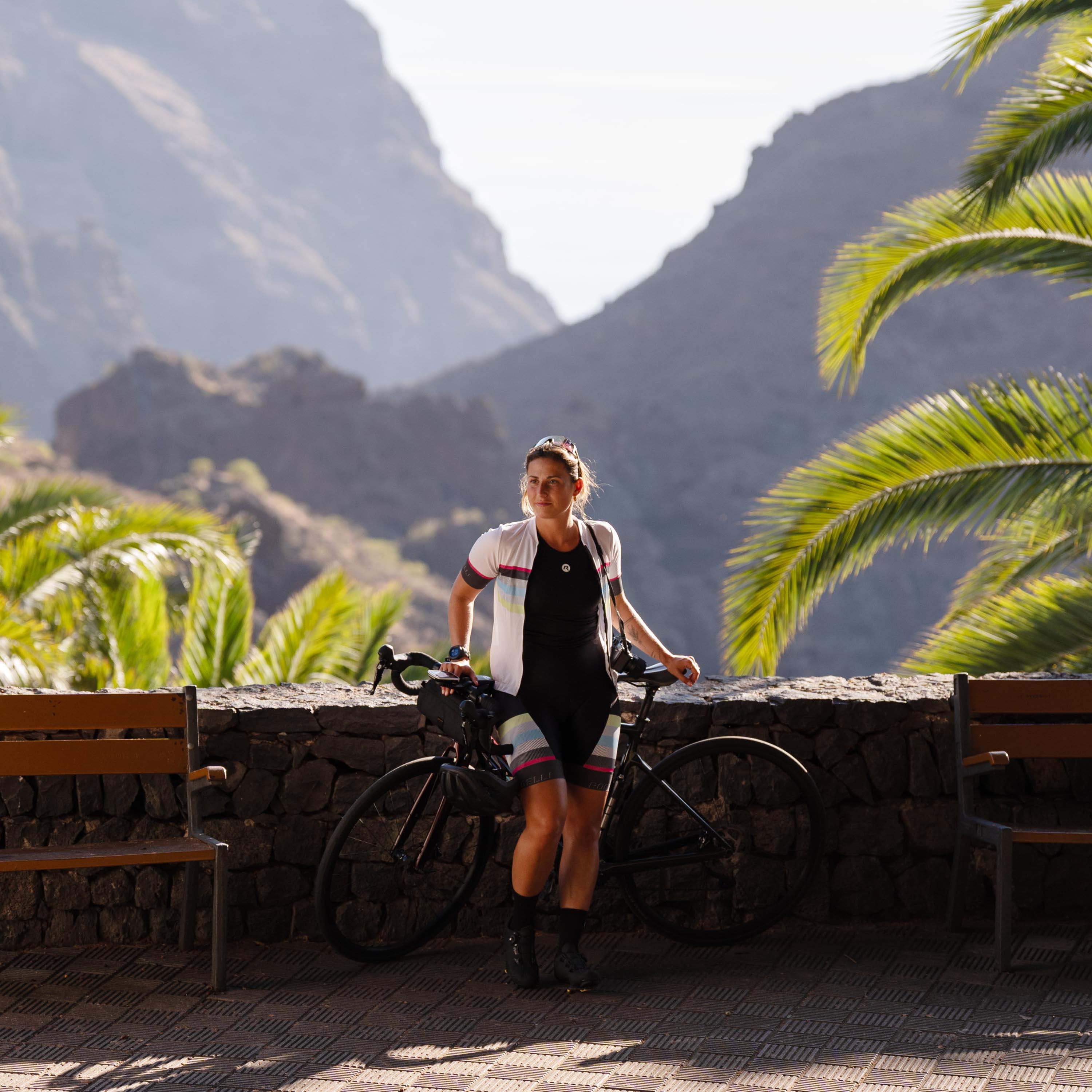
Three cyclists, three different summer stories. Discover what drives them and how each of them enjoys every kilometre in their own way.

Rogelli has a new look. Discover the story behind our new logo, refreshed colours and brand identity, all reflecting what we stand for: comfortable cycling, enjoying the ride and making every journ...