


Dress Smart for Cold Rides
Cycling in the cold: how to stay comfortable from head to toe
Cold air, frosty fields and almost empty roads. A winter ride can be surprisingly beautiful. Until you can no longer feel your toes after twenty minutes. Cycling in really cold weather takes a little more preparation than a summer ride. Not because you need to wrap yourself up as thickly as possible, but because a few smart choices can make the difference between counting down the kilometres until you get home and simply enjoying the ride. Because cold outside does not have to mean feeling cold on the bike.
Staying warm starts before you get cold
One of the biggest mistakes? Waiting until you are already out on the road before realising you did not wear enough. In cold weather, it helps to think ahead about the temperature, wind and how long you are planning to ride. A short, harder ride usually requires less insulation than an easy endurance ride lasting several hours. At the same time, you do not want to start out already sweating. Dressing too warmly can leave moisture trapped in your clothing, which may actually make you cool down faster later in the ride. The goal is not: as warm as possible. The goal is: comfortably warm.
Protect your upper body from cold wind
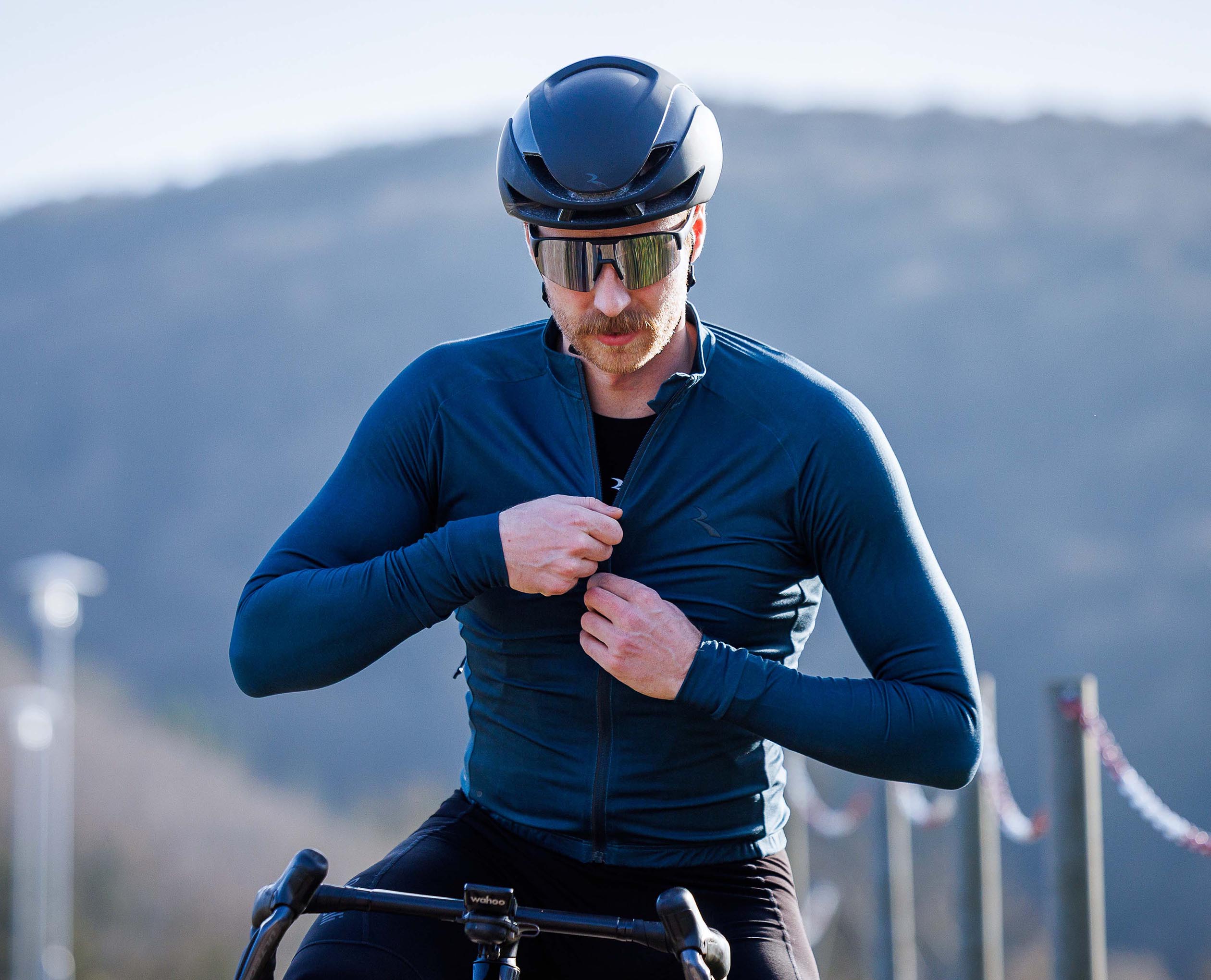
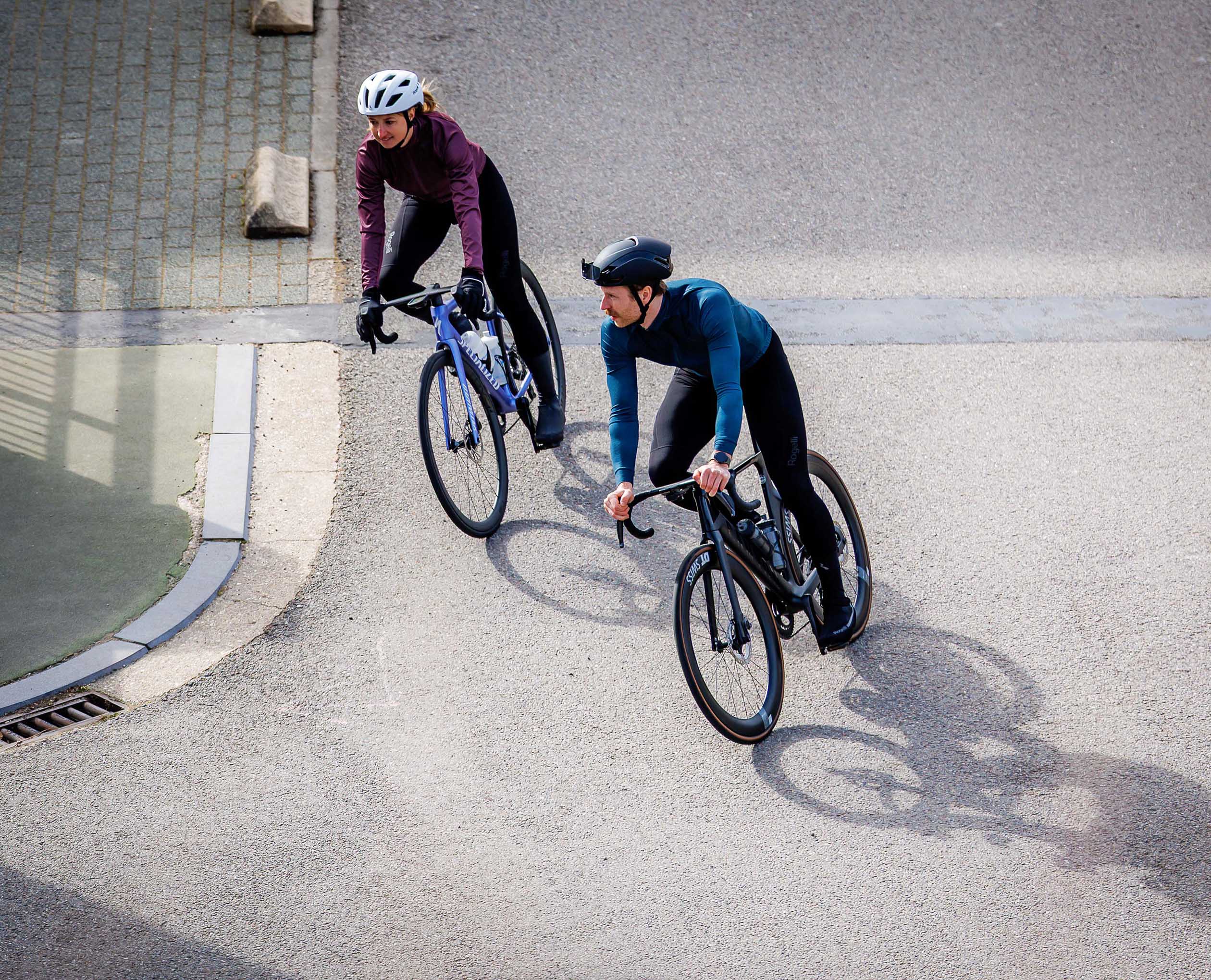
On the bike, you are constantly exposed to wind chill. Your chest, shoulders and arms often feel it first when temperatures start dropping towards freezing. A warm winter cycling jacket is a good foundation for cold rides. On particularly chilly days, combine it with a technical base layer that helps retain warmth while moving moisture away from your skin. If it is windy, protection from cold air becomes even more important. A jacket with good wind protection on the front can make a big difference without forcing you to keep adding thicker layers. And remember, feeling slightly cool when you first set off is often better than sweating before you have even ridden a metre.
Cold hands and feet? Deal with those first
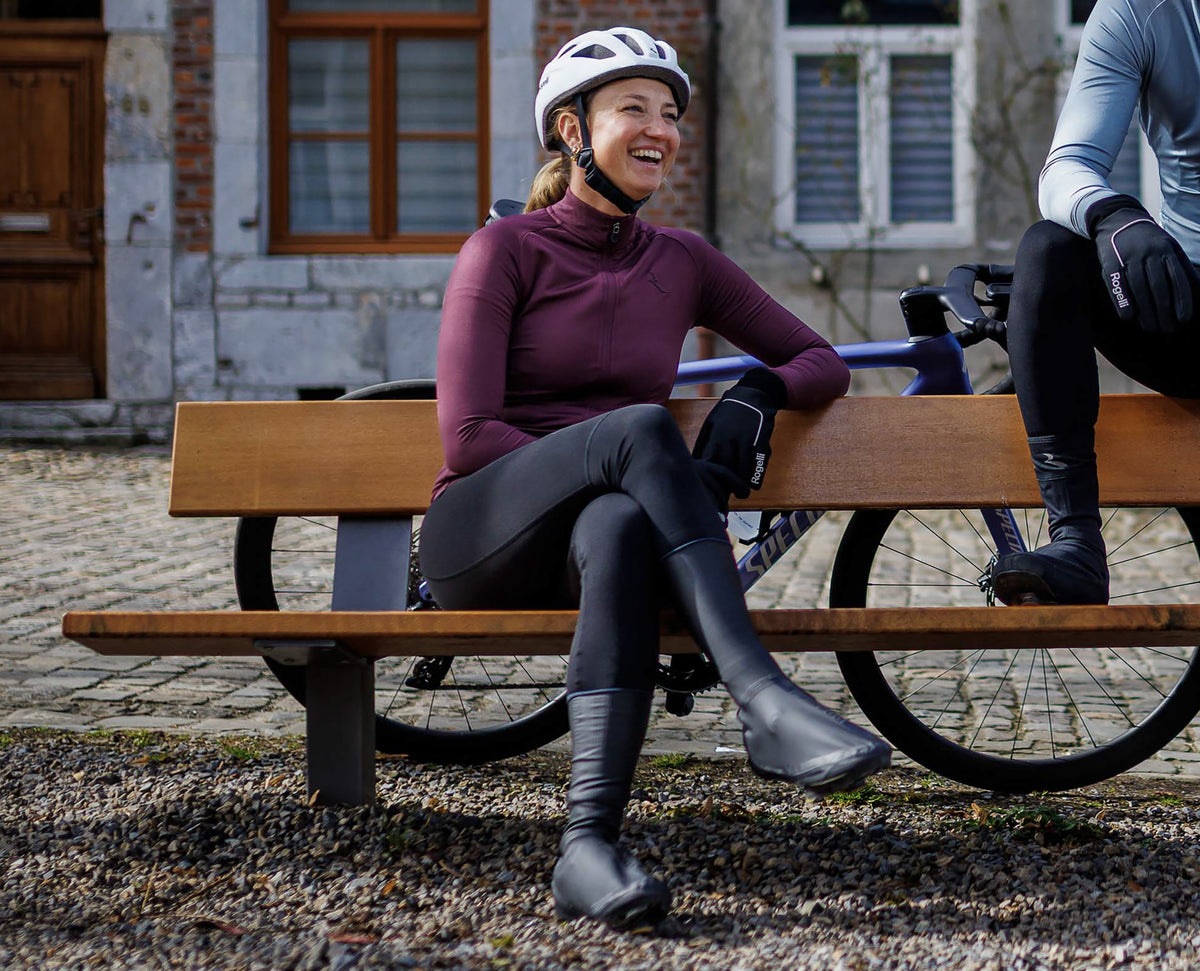
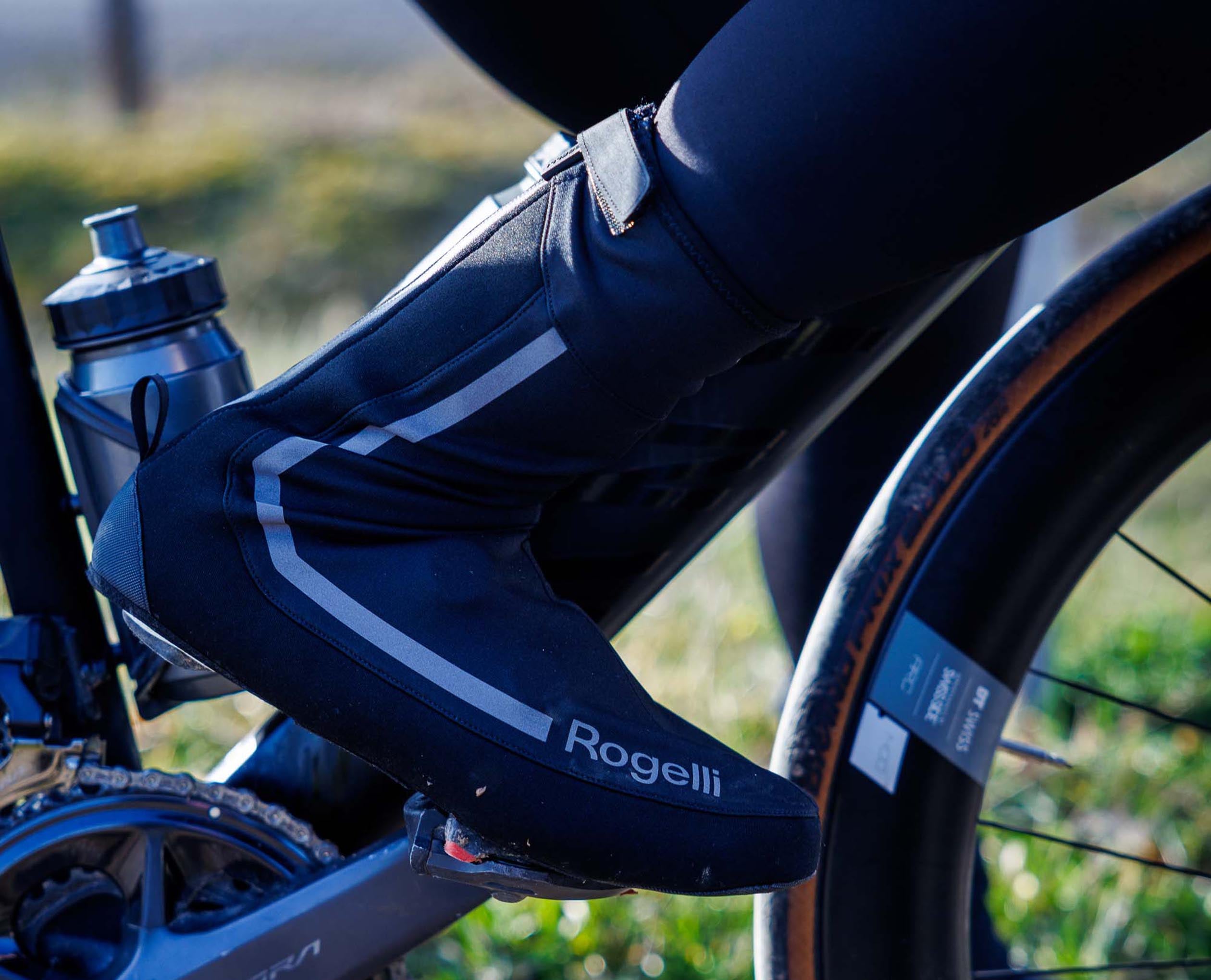
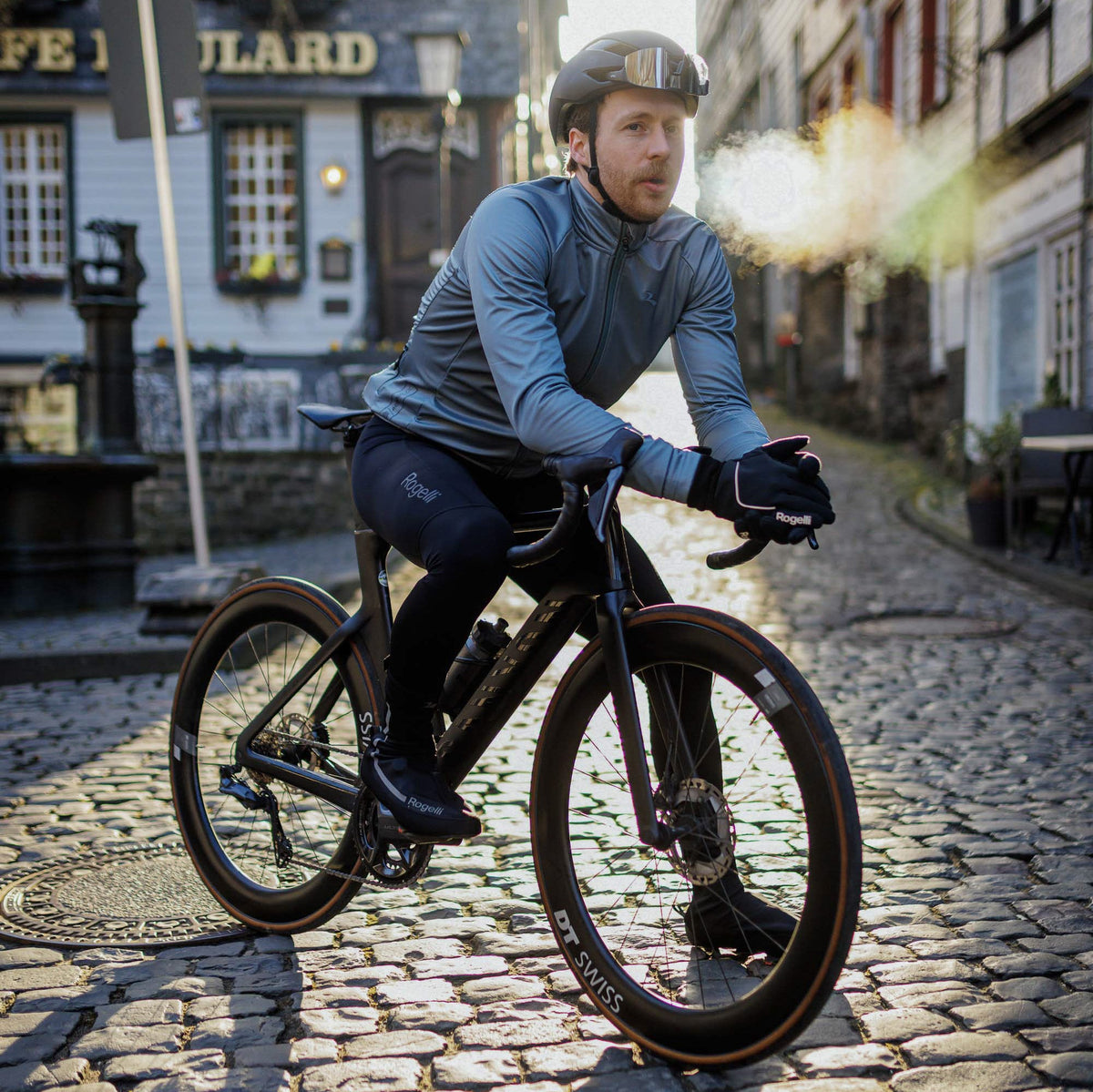
Your upper body can feel perfectly fine while your fingers and toes tell a completely different story. Hands and feet can make or break a winter ride. Warm cycling gloves protect your hands from cold wind, while still needing to give you enough feel to brake and shift comfortably. The same goes for your feet. Warm socks help, but overshoes often make the bigger difference by protecting your cycling shoes from cold air, moisture and road spray. Just make sure your shoes do not become too tight because of thick socks. Less space also means less insulating air around your feet. In other words, three pairs of socks are not always the answer.
Do not forget the small gaps
Sometimes it is not the biggest pieces of clothing that make the biggest difference. A good headband under your helmet keeps your ears warm without adding much bulk. A neck warmer helps stop cold air from getting in around your collar and can easily be adjusted during the ride as your temperature changes. Your ankles, wrists and lower back deserve some attention too. A small area of exposed skin may not seem like much at 5°C, but around freezing it can become the one thing you notice for the entire ride.
Your legs deserve winter comfort too
Your legs are constantly moving, so they may not feel cold as quickly as your upper body. Even so, cold wind on your thighs and knees can become uncomfortable over time. In properly cold weather, a warm pair of long cycling tights is usually more comfortable than simply stacking more and more loose layers. Especially if the front fabric gives extra protection from wind and cold. Comfort here really means reaching the end of a long ride without thinking about what you are wearing. That is usually a pretty good sign.
Make winter rides a little kinder to yourself
Comfort is not only about clothing. On really cold days, every ride does not need to turn into an epic five-hour mission. A shorter loop can feel just as good. Choose a more sheltered route, plan a coffee stop or start a little later when the temperature has climbed a few degrees. And do not forget to eat and drink. You may feel less thirsty in the cold, but your body is still using energy. Maybe that is part of the appeal of winter riding too. It does not have to be perfect. An hour outside, cold cheeks, warm coffee afterwards. That counts too.
Cold outside. Comfortable on the bike.
Cycling in the cold is not about proving how much cold you can handle. It is about making sure your clothing and preparation are good enough that, after a few kilometres, you are mostly thinking about the ride itself. Protect your upper body from the wind. Keep your hands and feet warm. Do not forget the small exposed areas and feel free to adapt your route to the conditions. That cold winter morning suddenly becomes a lot more inviting. And if you almost forget it is freezing outside? Then you have got it right.
Read more
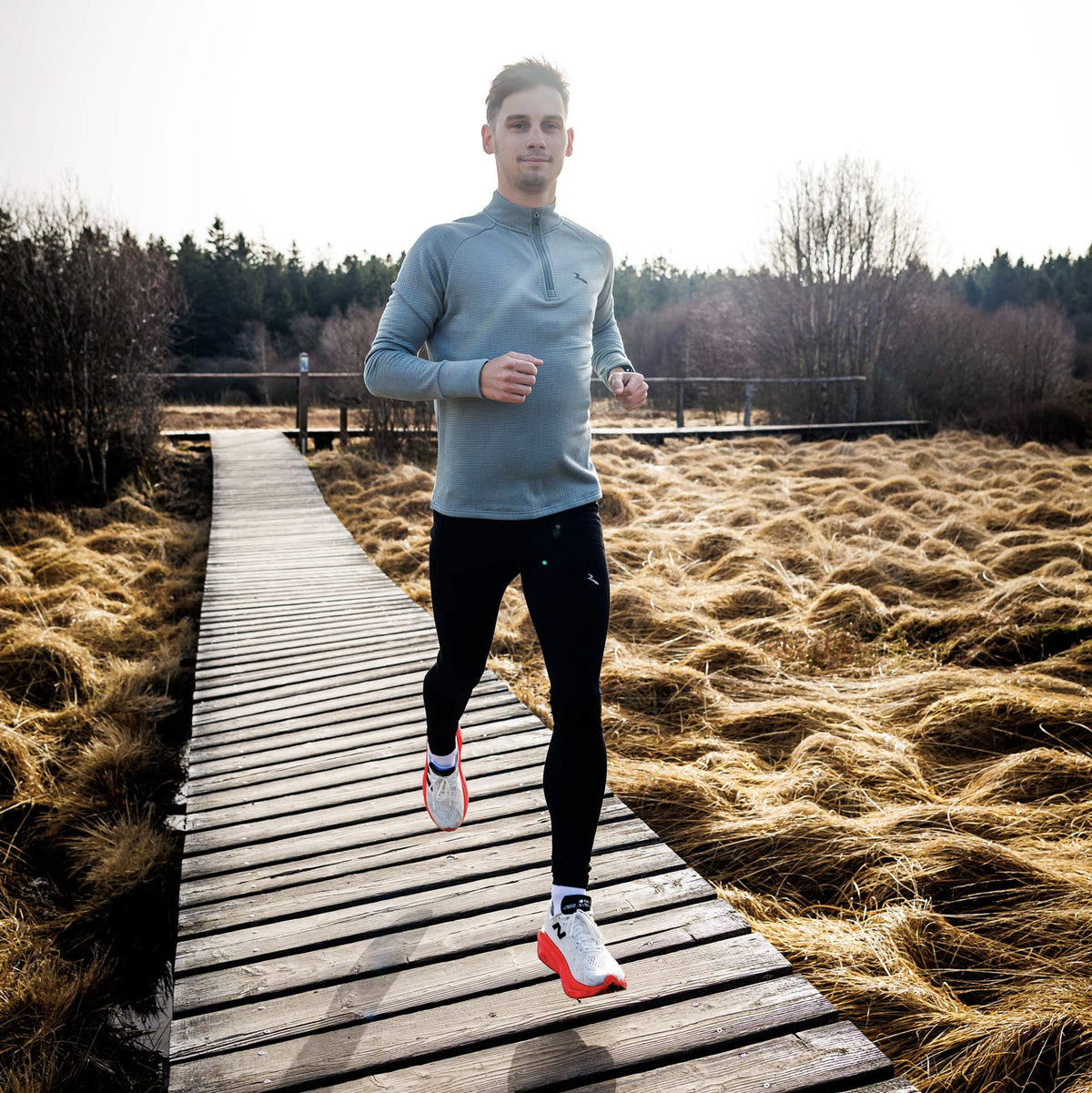
A cold run doesn’t have to be uncomfortable. By setting off feeling slightly cool, keeping your hands and ears warm, watching out for wind and rain and changing into dry clothes afterwards, you sta...
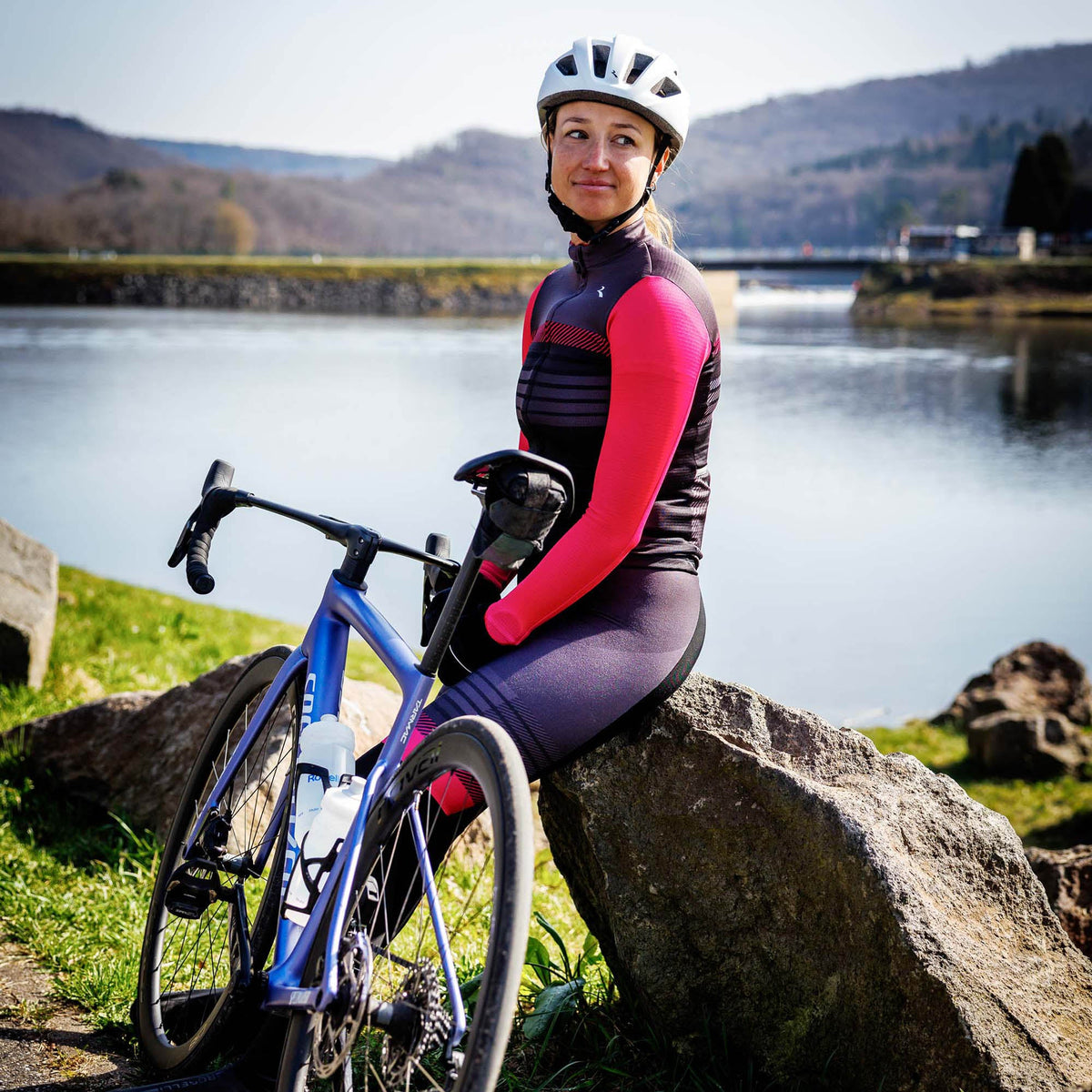
For Jinthe, a good autumn ride is all about friends, fresh air and a warm latte. Average speed comes second.