






Cold Start, Warm Run
Running in the cold: how to stay comfortable on winter runs
Cold air, quiet streets and that first moment when you think: why did my warm house suddenly feel so appealing? Running in the cold sometimes takes a little extra motivation. But once you get going, a winter run can feel surprisingly good. Fresh air, fewer people around and that satisfying feeling of having made it outside anyway. The key is staying comfortable. Not starting as warm as possible, but giving your body the chance to warm up without cold or moisture taking over the run.
Feeling a little cool at the start is fine
If you already feel perfectly warm standing at the front door, you are probably wearing too much.
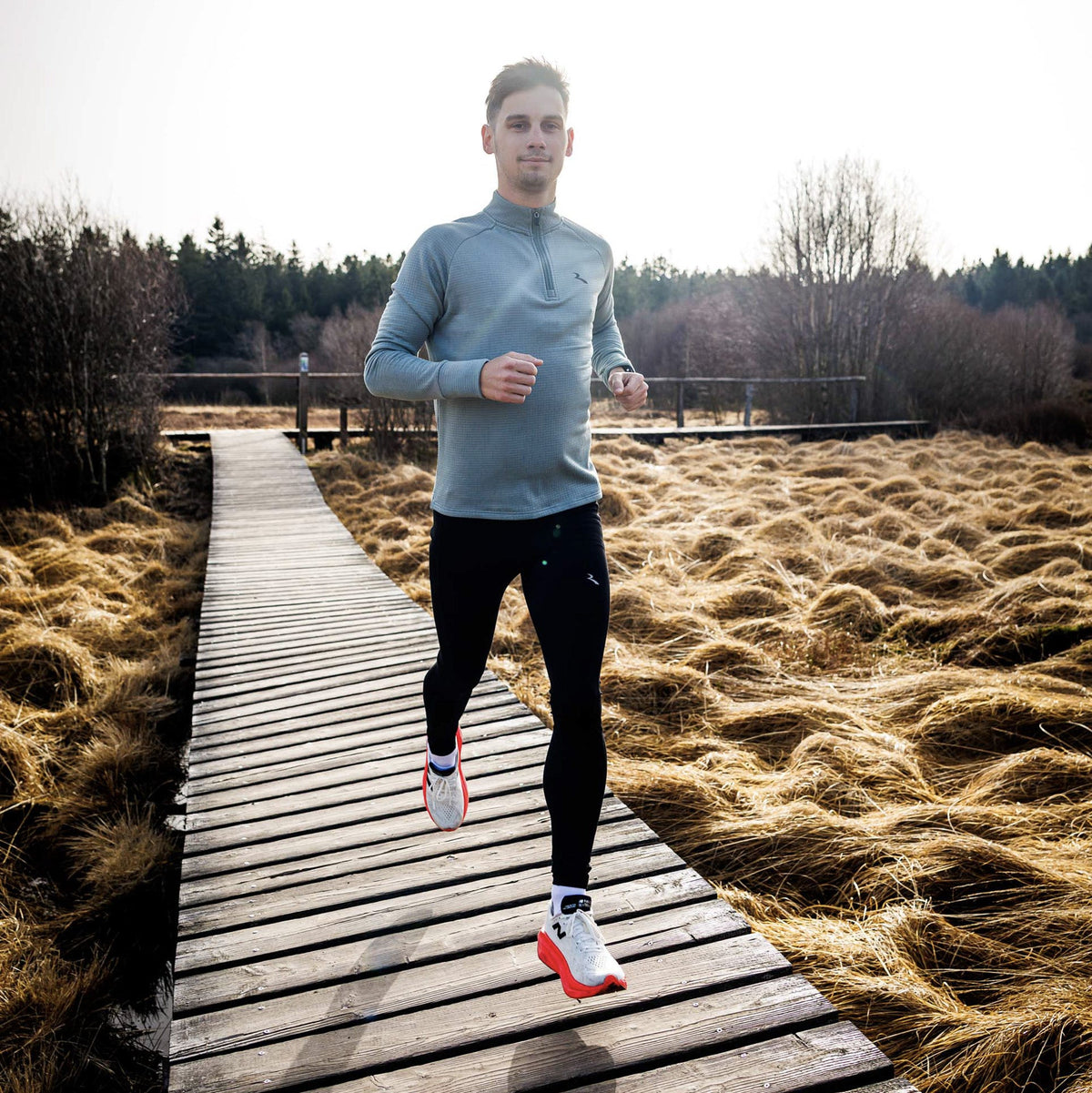
Your body heats up quickly when you run. So it is completely fine if the first few minutes feel a little chilly. In fact, that is often a good sign. Starting out overdressed means you will sweat sooner. And once your pace drops or the wind picks up, damp clothing can start to feel cold. So, a little chilly at the start? That is fine. Ten minutes later, things usually feel very different.
Protect the areas that get cold first
Running generates plenty of body heat, but that does not mean everything stays warm automatically. Your hands, ears and neck can cool down quickly in cold weather. Small accessories can make a surprisingly big difference. Think lightweight running gloves, a headband or light beanie, and perhaps a neck warmer. They add very little bulk, but can make a cold run much more comfortable. And if you do get too warm? They are easy to take off and tuck away. Cold cheeks are fine. Cold hands for the entire run? Less so.
Do not look at temperature alone
Five degrees does not always feel like five degrees. A calm, dry winter morning can feel surprisingly comfortable. Add strong wind and rain and the same temperature suddenly feels completely different. Before heading out, check the wind and precipitation as well. On a windy day, a lightweight windproof outer layer can offer more comfort than simply choosing a thicker long-sleeve top. That is exactly why layering works so well. Not to wear as much as possible, but to adjust your outfit to the conditions.
Give yourself time to warm up
The first few minutes of a cold run can sometimes feel a little stiff. That does not mean the run is going badly. Start easy and give your body some time to warm up. You can do a little light movement indoors before heading outside, or simply take the first kilometre at a more relaxed pace. Planning a faster session? Save the harder efforts until you are properly warm. Not every winter run has to feel sharp from the very first step. Sometimes you just need a few minutes to settle in.
Do not stay in damp clothes for too long afterwards
Everything may feel perfectly comfortable while you are running. But once you stop moving, your body cools down much faster. Especially if your clothing is damp with sweat. After a cold run, avoid standing outside chatting for too long or spending ten minutes checking your phone. Head indoors, take off wet layers and put on something dry. It sounds like a small detail, but those first few minutes after your run can make the difference between feeling great afterwards and wondering why you still cannot get warm. And let’s be honest, that is not exactly the reward you were looking for.
Your winter run does not have to be perfect
Comfort is not only about clothing. On a cold evening, your run does not need to be the longest or fastest of the week. A shorter route can feel just as good. Pick a familiar loop, stay a little closer to home or head out slightly later if the temperature is more comfortable then. What matters is getting outside in a way that feels good. Thirty minutes of fresh air still counts. Maybe even a little more on the days when you nearly stayed inside.
Cold outside. Not you anymore.
Running in the cold is not about proving how low a temperature you can handle. It is about reaching the point where, after a few minutes, you are no longer thinking about the cold. Protect your hands and ears. Do not overdress. Check the wind and rain. Start easy and change into something dry afterwards. That cold winter evening suddenly feels a lot more manageable. It is cold outside. You are warm now. Just as it should be.
Read more
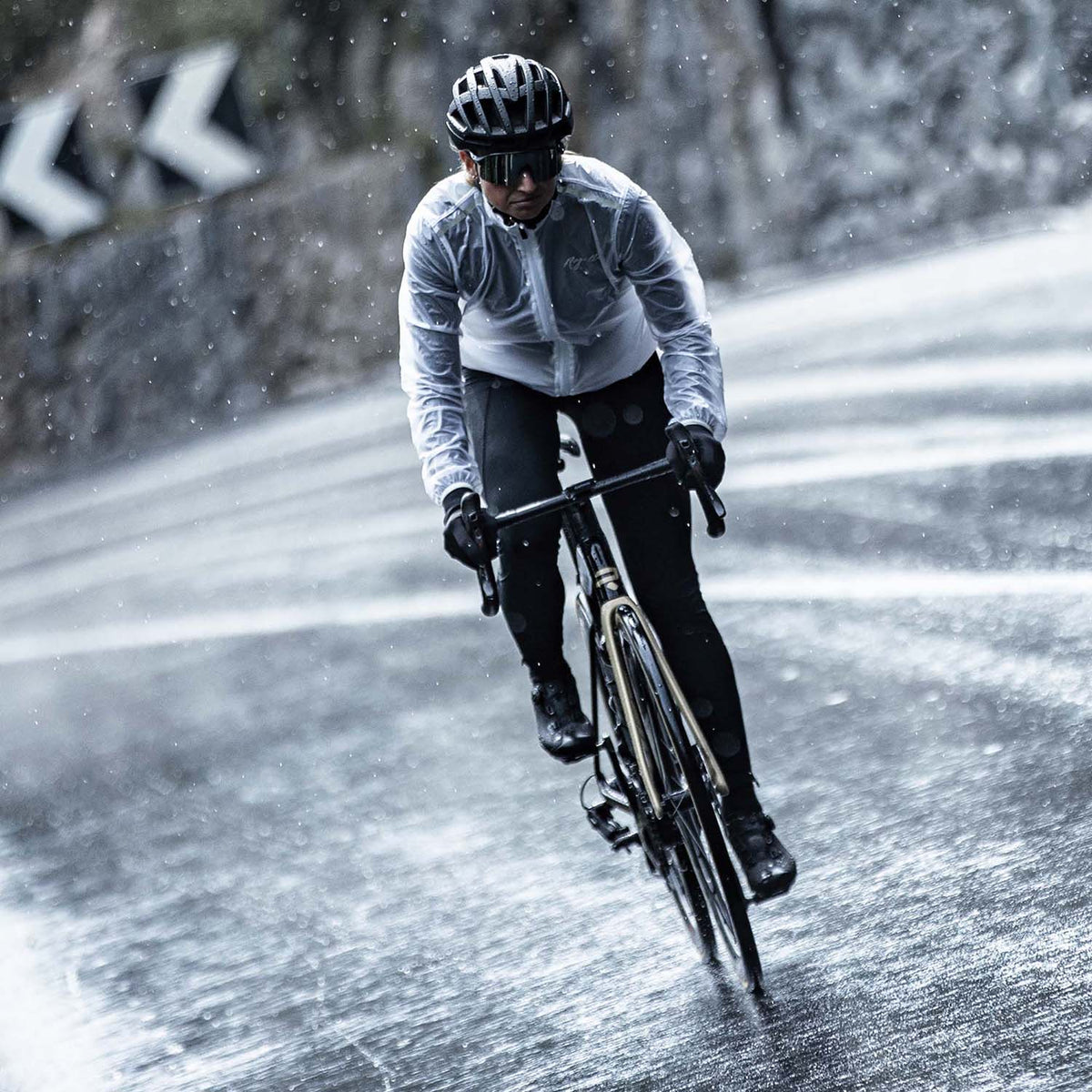
A shower doesn’t have to ruin your ride. With an extra layer, overshoes and gloves, braking a little earlier and five minutes of maintenance afterwards, you can keep riding comfortably.
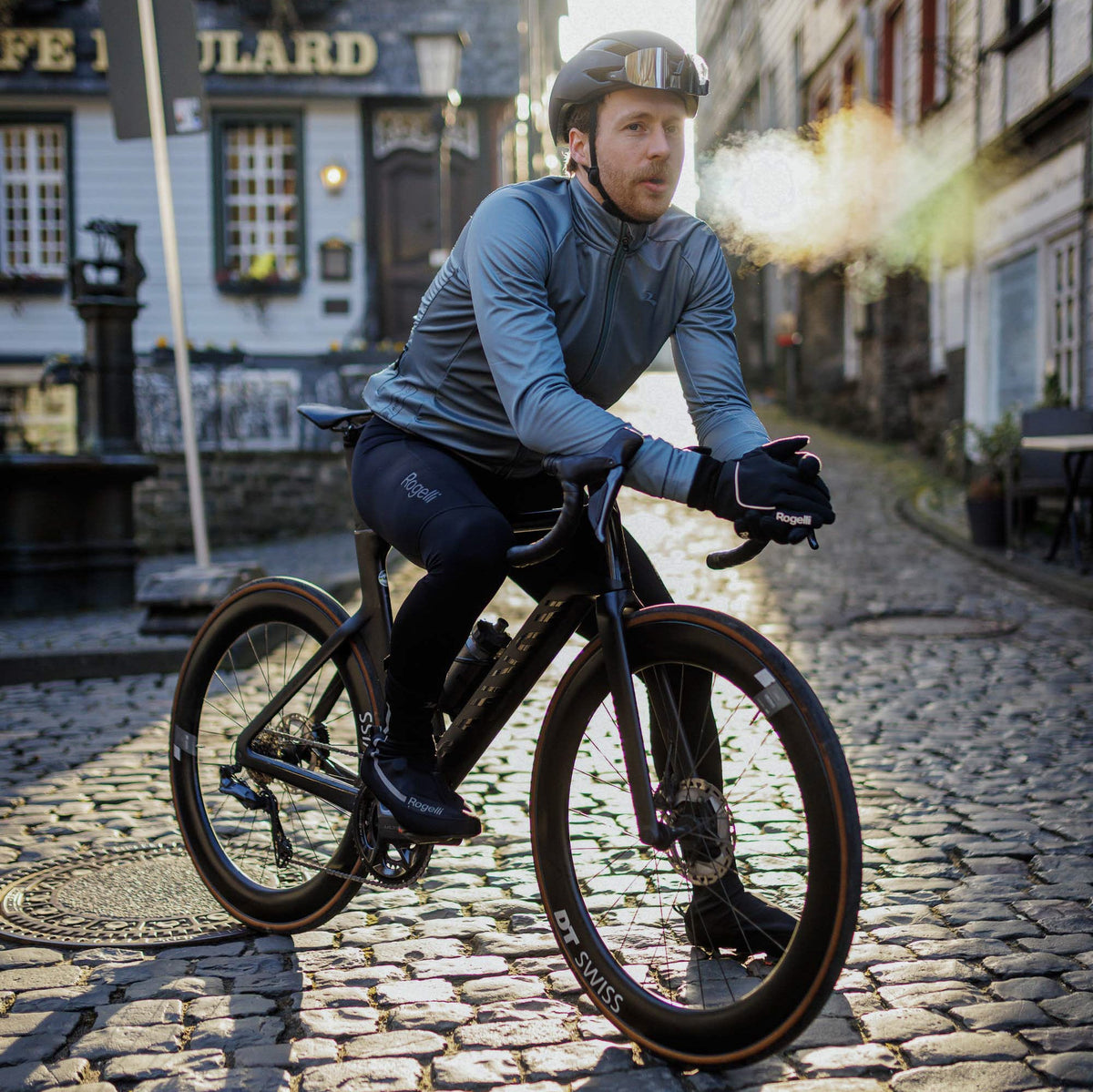
A winter ride can be beautiful, as long as your toes and fingers cooperate. With the right layers, warm hands and feet and a more relaxed loop, you stay comfortable.